


In Alberta, effective HVAC maintenance doesn’t start when temperatures rise. It starts before HVAC system demand increases.
By the time cooling systems are running at full capacity, the window to prevent issues has already closed. What’s left is reacting to failures, managing complaints, and dealing with unplanned costs.
We design maintenance around how your systems actually operate, not just how they were installed.
We plan ahead, assess system performance early, and address risks before they impact your building. That’s how we protect tenant comfort, stabilize operating costs, and reduce emergency calls during peak demand, whether from extremely hot or cold weather.
Why HVAC Maintenance Should Happen Before You Feel the Heat
Spring in Alberta moves quickly. One week you’re managing snow melt, the next your cooling systems are under load.
That transition period, typically from late March through late May, is the most important time to act. It’s when systems are accessible, schedules are flexible, and small issues can still be corrected without disruption.
Wait too long, and the risks increase:
- Cooling systems fail under peak hot season demand
- Airflow issues create hot and cold zones across tenant spaces
- Energy consumption rises due to inefficient operation
- Emergency service becomes the only option
Most of these problems don’t appear overnight. They build slowly through the winter months and surface when your system is pushed to perform.
That’s why we focus on proactive maintenance, not reacting when an issue occurs.
What Happens When HVAC Maintenance Becomes Reactive
Most HVAC failures don’t happen out of the blue, they build over time and often come with clear warning signs.
Dust accumulation reduces airflow. Belts loosen. Filters clog. Sensors drift out of calibration, and you might be surprised by what we find inside the equipment after the winter months.
Under mild conditions, these issues may go unnoticed. Under summer load, they can become system failures.
When that happens, your building and its users can experience various impacts, including:
- Rooftop units unable to maintain setpoints during peak demand
- Poor ventilation impacting tenant comfort and indoor air quality
- Increased energy costs from inefficient system performance
- Unplanned downtime that disrupts operations
Reactive maintenance doesn’t just cost more, it creates operational risk across your properties and portfolio.
What Proactive HVAC Maintenance Actually Looks Like
A pre-season HVAC maintenance program is more than a visual inspection. It’s a structured process that ensures your systems are ready for performance and reliability.
At VETS, we follow a disciplined approach informed by ASHRAE guidelines, manufacturer specifications, decades of field experience, and our partnership approach. Here’s an overview of what that looks like in action.
Key Pre-Season Maintenance Activities Include:
- Airflow and Ventilation Verification
- Measure airflow (CFM) to confirm design performance
- Inspect ductwork for leakage or restriction (SMACNA-aligned)
- Verify outside air intake for proper ventilation rates
- Filtration and Indoor Air Quality
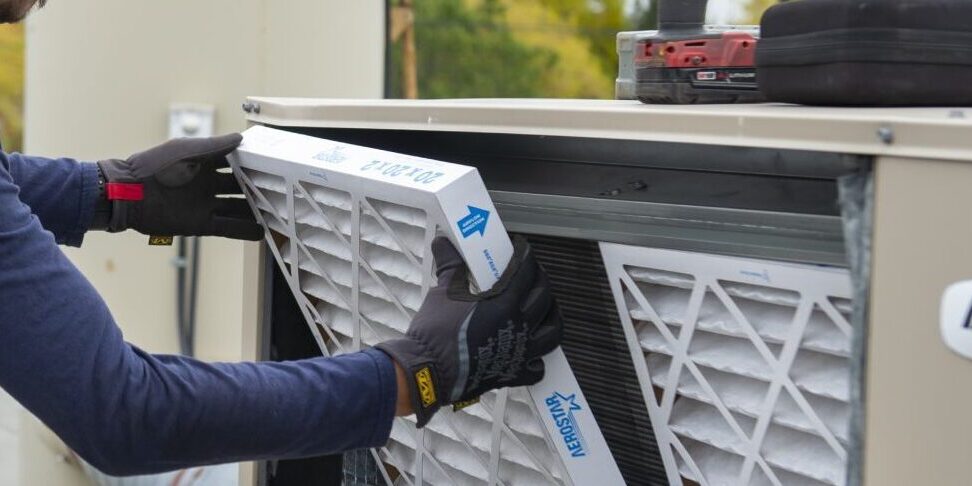
- Replace filters based on required MERV rating
- Inspect filter racks to prevent air bypass
- Assess air quality risks related to occupancy, filtration, and ventilation rates
- Cooling System Readiness
- Check refrigerant levels and system pressures
- Clean coils to restore heat transfer efficiency
- Test compressors and condenser performance
- Electrical and Controls Inspection
- Tighten electrical connections
- Verify control sequences and calibration
- Identify early-stage failures
- Mechanical Component Inspection
- Inspect belts, motors, and bearings
- Lubricate moving components
- Identify wear before breakdown
- Drainage and Moisture Control
- Clear condensate drains
- Inspect pans and lines
- Prevent water damage and microbial growth
In our big picture, every detail matters.
How Often Should Commercial HVAC Systems Be Serviced?
Commercial HVAC systems should be serviced at least quarterly, aligned with seasonal load changes and manufacturer requirements.
High-demand facilities may require additional inspections to maintain performance and reduce risk.
Regular servicing ensures systems operate within design parameters, maintain proper airflow, and avoid efficiency losses that increase operating costs.
We verify performance under real operating conditions so you’re not left guessing when demand increases.
The Operational Impact: Why This Matters to Property Managers
For property and facility managers, HVAC isn’t just equipment. It’s part of your building and user experience and your operational responsibility. Proactive maintenance delivers measurable outcomes:
1. Fewer User Complaints
Consistent airflow, temperature control, and ventilation reduce hot and cold spots.
Tenants don’t notice HVAC when it works – they notice immediately when it doesn’t.
2. Predictable Operating Costs
Maintained systems run more efficiently. Clean coils and proper airflow reduce energy consumption and extend equipment life. This supports stable budgeting, avoids unexpected capital expenses, and reduces the likelihood of premature replacement.
3. Reduced Emergency Calls
Early detection prevents failures during peak demand. Emergency service is always more disruptive and more expensive.
4. Extended Equipment Life
Regular maintenance and calibration reduce wear on critical components. This protects long-term capital investments across your portfolio.
5. Compliance Confidence
Proper ventilation and filtration support indoor air quality and regulatory alignment. For many facilities, this is not optional. It’s required.
What Is Included in a Commercial HVAC Maintenance Program?
A commercial HVAC maintenance program includes inspection, testing, cleaning, and calibration of all major system components.
At a minimum, a pre-season program should include:
- Airflow testing and ventilation verification
- Filter replacement (MERV-rated)
- Coil cleaning
- Refrigerant checks
- Electrical inspection
- Controls calibration
- Mechanical inspection
- Condensate drain cleaning
These tasks directly impact system efficiency, lifespan, and tenant comfort.
Planning Ahead Means Working With the Right Partner
Commercial buildings operate around multiple schedules, from owners and operators to tenants and other building users. We plan work around your operations, coordinate access with the right stakeholders, and sequence maintenance to minimize disruption. You know what’s happening, when it’s happening, and what to expect next.
As one property manager shared:
“They check in. They follow through. That’s rare.”
That level of coordination makes maintenance a reliable part of your operation, not a disruption to it.
How VETS Delivers Consistent Results
We follow a 5-step Proven Process to ensure consistency and accountability across every property.
- Needs Identification: We assess your building systems and priorities
- Solution Scoping: We build a tailored maintenance plan based on equipment, usage, and risk
- Expert Delivery: Our technicians execute with precision and clear communication
- Closeout & Documentation: You receive full reporting and system insights
- Peace of Mind Service: Ongoing support keeps your systems performing
This structure removes uncertainty and gives you the clarity to move forward with confidence.
When Should You Schedule HVAC Maintenance in Alberta?
In Alberta, timing matters, but it’s not tied to a calendar date. It’s tied to changes in system demand.
We recommend scheduling maintenance ahead of any major shift in system use. That typically means:
- Before cooling systems begin operating at full load
- Before heating systems are required for sustained use
- Before peak service demand limits availability
Planning ahead gives you flexibility, reduces risk, and ensures any issues are addressed before they impact your tenants.
Plan Ahead With Confidence
Pre-season HVAC maintenance protects your tenants, your operations, and your budget. We work alongside your team to help reduce risk, support tenant comfort, and keep your systems performing reliably year-round.
Contact our team to schedule your HVAC assessment and build a plan that keeps your building running smoothly all season.