



When dust collection system maintenance is overlooked, the consequences can extend far beyond reduced performance. Fires, dust explosions, equipment damage, production losses, and serious injuries can all result when the system can no longer perform as intended.
Fortunately, these risks can be prevented through routine maintenance. Proactive inspections help keep your dust collection system operating efficiently while supporting a safer work environment, reducing unplanned downtime, and helping maintain regulatory compliance.
Here are four maintenance practices that can help keep your dust collection system operating at peak performance.
Keep in mind: Every facility is different, and maintenance requirements can vary depending on the material being collected, operating conditions, system design, and the type of dust being produced. While every dust collection system is unique, the need for routine maintenance is standard.
First, Understand What Your Dust Collection System Does
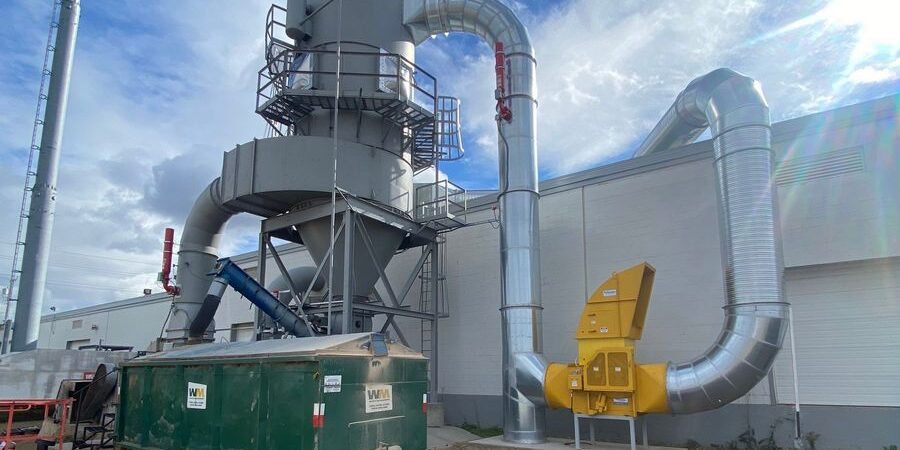
A dust collection system works much like a large industrial vacuum. It captures airborne dust and particles at various collection points throughout your facility, transports it through specialized ducts, separates it from the air, and safely collects or disposes of the material.
Because every component of a dust collection system depends on consistent airflow, a problem in one area can affect performance throughout the entire system. A restriction in airflow, a broken or clogged filter, or a worn component doesn’t just impact one pickup point. It changes the effectiveness of the system as a whole, making preventative maintenance essential.
What Happens When Dust Collection Maintenance Is Overlooked?
Think of a dust collection system like your home’s central vacuum. If one inlet becomes blocked, the vacuum stops working efficiently where you need it most. Industrial dust collection systems behave the same way.
When one component begins to underperform, the effects are rarely isolated. A clogged pickup point, dirty filters, or underperforming fans can reduce airflow throughout the entire system, making it harder to capture dust where it’s generated.
Over time, that can lead to operational issues, including:
- Reduced dust capture at pickup points.
- Increased dust buildup throughout the facility, creating additional housekeeping requirements and increased risk of deflagration explosions in the event of an incident.
- Premature wear to filters, or failure of fans, ductwork, and other system components.
- More potential for unexpected downtime.
Many of these problems develop gradually, making them easy to overlook until production is affected. Routine inspections and preventative maintenance help identify small issues before they become costly repairs, emergency shutdowns, or catastrophic events.
1. Keep Pickup Points Free of Obstructions
Every dust collection system relies on one thing: capturing dust before it escapes into the work environment. If a pickup hood becomes obstructed, airflow decreases substantially, making it harder to collect dust where it’s generated.
Make it a habit to inspect collection hoods and pickup points for debris or oversized material that could obstruct airflow. Operators should also be trained to recognize changes in suction so issues can be addressed before they become larger problems.
2. Monitor Filter Performance
Filters are one of the hardest-working components in many dust collection systems. Their job is to capture fine dust while allowing clean air to pass through. As dust accumulates on the filter media, airflow becomes more restricted over time.
Some dust collection systems use filter cleaning systems that periodically remove dust buildup. However, even with regular cleaning, filters eventually reach the end of their service life.
Differential pressure measures the difference in air pressure before and after the filters. As dust builds up, airflow becomes more restricted, causing that pressure difference to increase. If differential pressure remains high even after the filter cleaning system has cycled, it may indicate that the filters have become permanently loaded and should be replaced. This is also referred to as blinding.
There’s no universal replacement schedule for dust collector filters. Monitoring pressure readings, scheduling visual inspections regularly, and monitoring overall system performance provides a much more accurate picture of when replacement is actually needed.
Note: Filter selection and dust characteristics also play important roles in dust collector performance. Choosing the right filter media for the material being collected and your operating conditions is just as important as ongoing maintenance.
3. Verify System Balancing
When a dust collection system is commissioned, technicians carefully balance airflow throughout the ductwork using blast gates. These adjustments ensure every pickup point receives the airflow needed to effectively capture dust.
Like any mechanical component, blast gates can loosen, wear over time, or be adjusted during troubleshooting. While adjusting a blast gate may seem like a quick fix for a local airflow issue, it also changes airflow throughout the rest of the system. Unfortunately, adjusting one blast gate affects airflow throughout the entire system.
As part of preventative maintenance, inspect blast gates to ensure they’re still in their intended positions and check for signs of wear. If airflow issues develop, the system may need to be rebalanced to restore optimal performance.
4. Inspect the Rotary Airlock Valve
The rotary airlock valve is responsible for discharging collected dust while maintaining the pressure inside the dust collector. Although it often operates unnoticed, it’s one of the most important components in the system.
As the valve wears, clearances between the rotor and housing can increase. This allows unwanted air to leak into the dust collector, reducing efficiency and making it more difficult for dust to discharge properly.
Excessive wear can also contribute to material bridging, where dust builds up above the airlock instead of flowing freely through it. Left unchecked, this can reduce system performance and allow combustible dust to accumulate inside the collector, increasing the potential risk of an explosion.
As part of your preventative maintenance program, check for excessive wear, air leakage, and proper material flow to ensure the rotary airlock continues operating as designed. If the airlock isn’t sealing properly, the collector has a harder time moving dust through the system efficiently.
Preventative Maintenance Saves Time and Money
Routine maintenance helps keep your dust collection system operating safely and effectively. By identifying issues early, facilities can improve dust capture, extend equipment life, reduce unplanned downtime, and help maintain a safer work environment.
If you’ve noticed reduced airflow, recurring maintenance issues, or declining dust collection performance, VETS can evaluate your system, identify the root cause, and recommend practical solutions to restore performance.
Frequently Asked Questions
How often should a dust collection system be inspected?
Inspection frequency depends on the application, operating hours, and the type of material being collected. Inspection schedules are often established after commissioning and adjusted over time based on system performance and operating conditions.
How do you know when dust collector filters need to be replaced?
Differential pressure is one of the best indicators. If pressure remains elevated after the filter cleaning system has cycled, or after the filters have been manually deep cleaned, the filter media may be permanently loaded and ready for replacement. Visual inspections and overall system performance can also help identify when filters are nearing the end of their service life. Keeping a spare set of filters on hand can help minimize downtime.
Why is airflow so important in a dust collection system?
Proper airflow is what allows dust to be captured and transported through the system. Restrictions anywhere in the system can reduce collection efficiency, allowing dust to escape into the work environment, creating potential health and safety risks for workers and increasing wear on equipment.
Is preventative maintenance really worth the cost?
Yes. Preventative maintenance is typically far less expensive than emergency repairs or unplanned production downtime. Regular inspections can extend equipment life, improve system efficiency, and help maintain a cleaner, safer facility.